 admin
admin How to Create a Pothos Variety Collection: A Beginner's Guide to a Thriving Indoor Jungle
I remember staring at my single, lonely Golden Pothos, wondering how plant enthusiasts on social media curated those stunning, diverse collections. My desire to create a pothos variety collection felt overwhelming. Where do I start? How do I keep them all alive, let alone thriving? I worried about choosing the right varieties, managing different care needs, and the cost of acquiring so many plants. If you've felt the same pull towards these versatile vines but are unsure how to begin building your own assortment, you're in the right place. This guide is born from my own two-year journey from one plant to over twenty varieties, including the lessons learned from a dedicated two-week propagation and adjustment project that transformed my approach.
Getting Started: Laying the Foundation for Your Collection
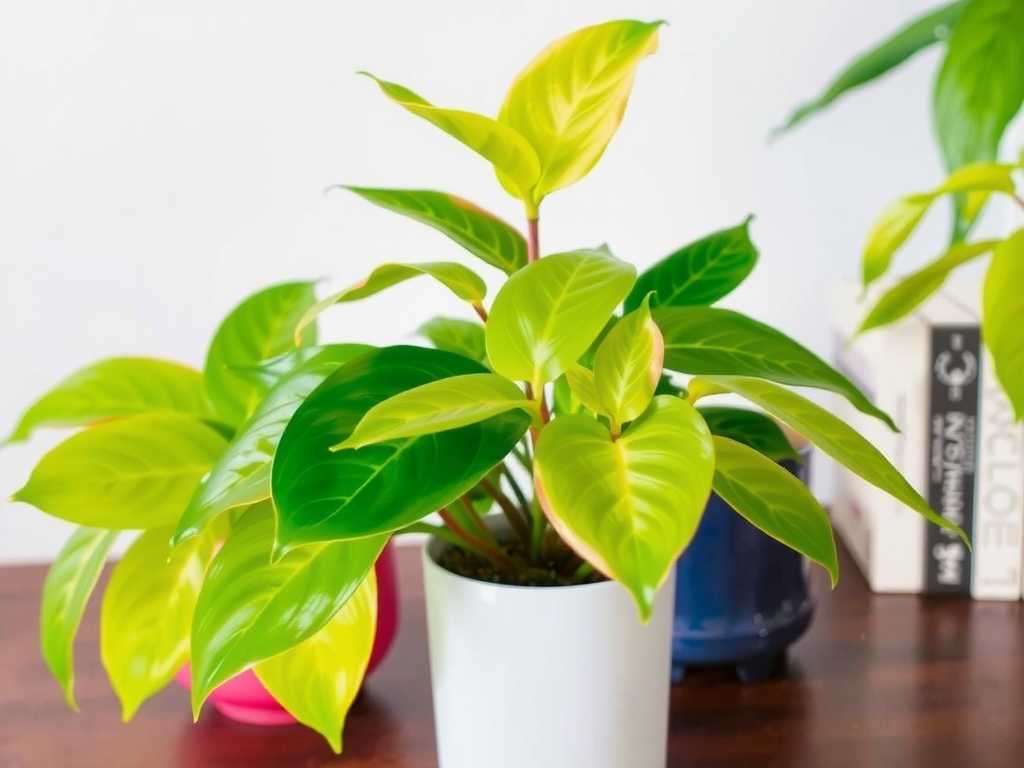
The initial excitement of starting a pothos collection can lead to impulsive buys. I learned this the hard way. My first attempt involved buying four different pothos plants from a big-box store in one weekend. Within a week, two were struggling with pests, and all were in poor-quality, water-retentive soil. To build a healthy collection, you must start smart.
First, understand your space and light. Most pothos varieties are adaptable, but their variegation (the beautiful white, yellow, or cream markings) depends on light. The Royal Horticultural Society (RHS) notes that while pothos can survive in low light, brighter, indirect light is crucial for maintaining vibrant leaf patterns and encouraging fuller growth. Spend a week observing the light in different areas of your home. An east or north-facing window is often ideal.
Next, source your plants responsibly. I now prefer three methods: local nurseries (for health inspection), reputable online sellers (for rare varieties like the Global Green or Jessenia), and plant swaps. The latter is fantastic for starting a pothos collection on a budget. For my focused two-week project, I decided to expand through propagation, which is the most rewarding and cost-effective method.
The Heart of the Collection: Propagation and Acquisition
This is where the real magic happens. To rapidly and affordably grow my pothos variety collection, I embarked on a mass propagation mission. I selected six "mother" plants: Marble Queen, Neon, N'Joy, Cebu Blue, Golden, and a Manjula.
My process was methodical. For each, I took 3-4 cuttings, ensuring each had at least one node (the brown bump on the stem where roots and leaves emerge). I removed the bottom leaves to expose the node. Here was my first "aha" moment from the project: the rooting medium matters. I tested three methods side-by-side over the fourteen days:
- Water Propagation: The classic method. I placed cuttings in clear glasses. This allowed me to see root growth, which was satisfying and educational.
- Sphagnum Moss: I soaked moss, wrung it out, and placed cuttings in a sealed plastic container to create a humid environment.
- Directly in Soil: I dipped the node in rooting hormone and planted cuttings in a well-draining aroid mix.
The two-week observation results were revealing. The water cuttings showed visible roots by day 10, but they were thin and watery. The moss cuttings, observed at the two-week mark, had robust, fuzzy white roots that were already branching—they were the clear winners in root development speed and health. The soil cuttings showed no visible growth above soil, but a gentle tug revealed slight resistance, indicating initial root formation. The American Horticultural Society's (AHS) propagation guides affirm that a humid environment like moss often accelerates root development by preventing desiccation.
The "pitfall" I encountered was rot in my water props for the Marble Queen. Two cuttings developed a slimy film. The solution was simple: I changed the water every 3-4 days instead of weekly and cleaned the glass with soap. This highlights a key principle in pothos plant care for multiple varieties: vigilance and slight adjustments are key, even for "easy" plants.
Curating Your Varieties: From Common to Rare
A beautiful collection has rhythm and contrast. Don't just chase rare names; think about leaf shape, color, and growth habit. I categorize them this way:
The Classics (Perfect for Beginners):
- Golden Pothos: The gateway plant. Its yellow variegation brightens any corner.
- Jade Pothos: Solid, deep green. Incredibly resilient and a great backdrop for flashier varieties.
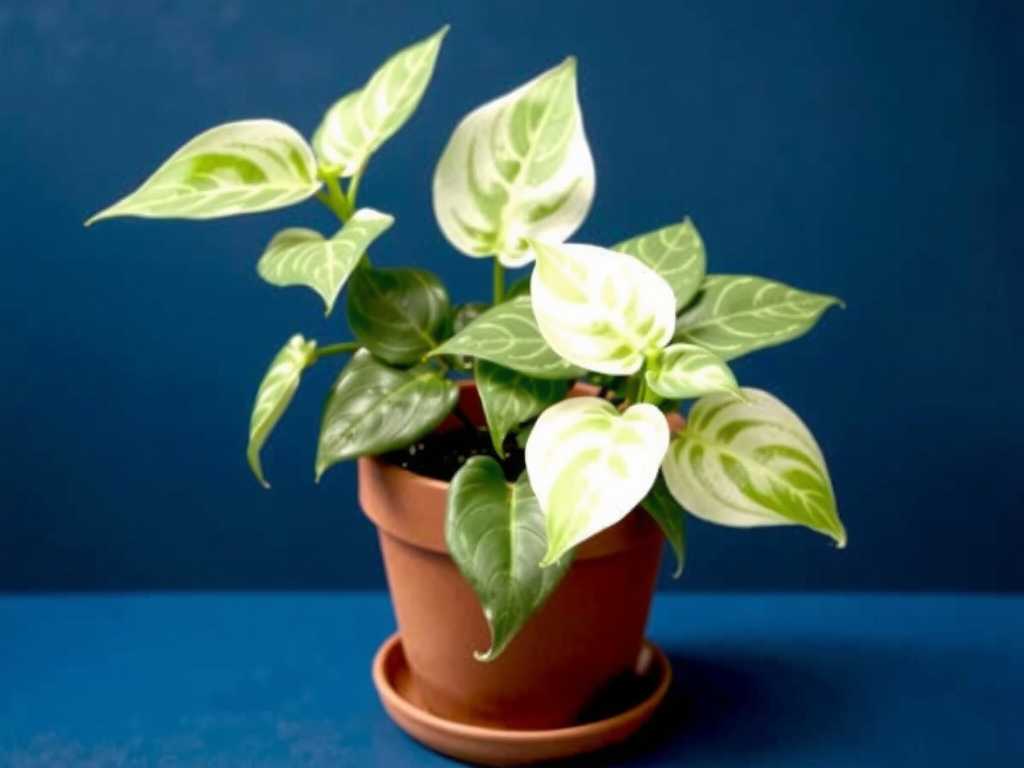
- Marble Queen Pothos: Stunning white and green marbling. Requires a bit more light to maintain its contrast.
The Color Show:
- Neon Pothos: A shocking, luminous chartreuse. It literally glows under a grow light.
- Pearls and Jade Pothos: A smaller-leaved variety with delicate green, white, and gray speckling.
The Textural Standouts:
- Cebu Blue Pothos: Has elongated, silvery-blue leaves that can develop dramatic fenestrations (splits) when mature.
- Global Green Pothos: A recent favorite, with dark green edges and lighter green centers—a reverse variegation.
Care Essentials for a Diverse Pothos Collection
A common myth is that all pothos need identical care. While similar, subtle differences exist. My two-week propagation project solidified a unified care routine that works for all my varieties.
Potting and Soil: The single biggest improvement to my collection's health was repotting everything into a chunky, well-draining mix. I use a blend of potting soil, orchid bark, perlite, and a handful of horticultural charcoal. This prevents the dreaded "wet feet" that lead to root rot. Ensure every pot has drainage holes.
Watering: I abandoned a strict schedule. The "soak and dry" method is king. I water thoroughly until it runs from the drainage holes, then wait until the top 1-2 inches of soil are dry. My Neon and Manjula dry out slightly faster than my Jade or Global Green. During my observation, the moss-propagated cuttings needed only one light watering, as the closed container retained humidity perfectly.
Light: As the RHS advises, bright, indirect light is the goal. My highly variegated Marble Queen and N'Joy sit closer to the window. My Jade and Cebu Blue are happy a few feet back. Low light will cause loss of variegation and leggy growth.
Feeding and Maintenance: During the active growing season (spring-fall), I use a balanced liquid fertilizer diluted to half strength every month. I regularly wipe leaves with a damp cloth to remove dust, which allows for better photosynthesis. This simple act made the colors on my Golden and Marble Queen pop noticeably within days of the two-week project.
Troubleshooting Common Issues in a Multi-Variety Collection
Building a pothos variety collection isn't without hiccups. Isolation is your best friend when introducing a new plant. I keep all new acquisitions separate for 2-3 weeks to monitor for pests. My worst scare was a bout of spider mites that spread from a new plant to three others. The solution was immediate isolation, rinsing the plants in the shower, and treating with insecticidal soap every 5 days for two weeks. It was a hassle, but it saved the collection.
Yellowing leaves are the most common question. Overwatering is the usual culprit, but it can also be under-watering or natural senescence of old leaves. Diagnose by checking the soil. If it's soggy, you've found the issue. If it's bone dry, your plant is thirsty. A few yellow leaves at the base are normal.
How often should I repot my pothos collection? Repot only when the plant becomes root-bound—you see roots circling the bottom of the pot or growing out of the drainage holes. For a fast-growing pothos, this might be every 1-2 years. Spring or early summer is the best time.
Can I plant different pothos varieties together in one pot? Absolutely! This is a fantastic way to create a "variety pot." Ensure they have similar light and water needs. Planting a Neon (which likes slightly more frequent watering) with a Jade might be tricky, but a Marble Queen and an N'Joy pair beautifully.
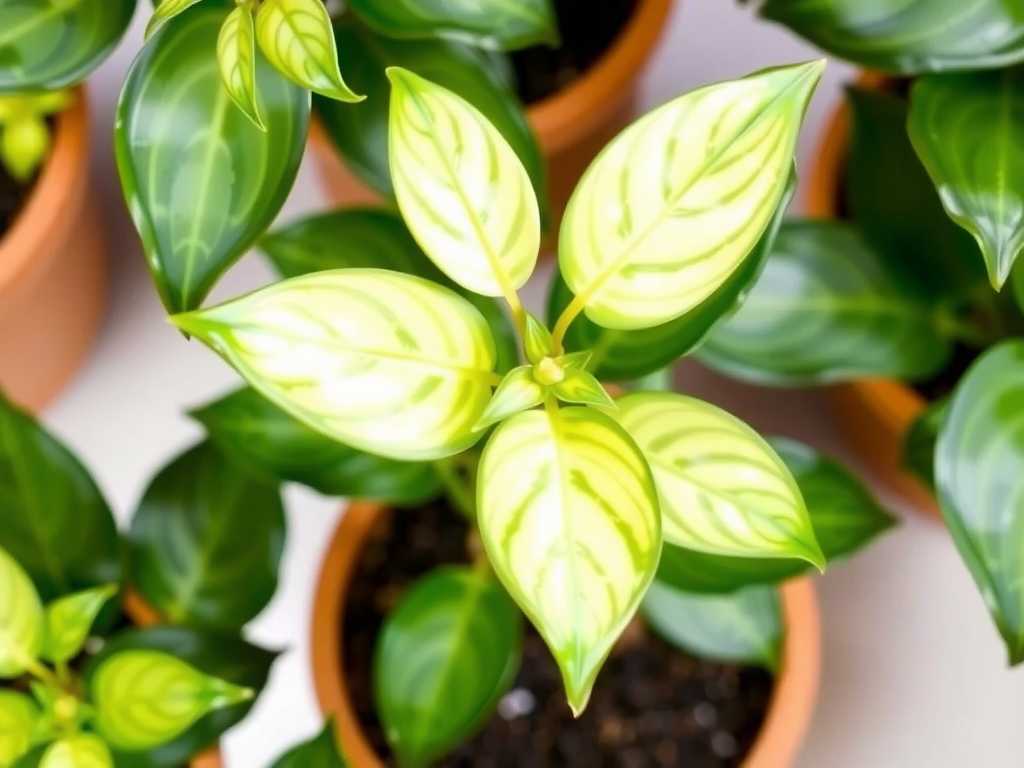
Why is the variegation on my new white leaf turning green? This is typically a sign of insufficient light. The plant is producing more green chlorophyll to maximize energy capture in low-light conditions. Move the plant to a brighter location (avoid direct sun), and new growth should show the desired variegation.
Creating a pothos variety collection is a deeply personal and rewarding journey. It starts with understanding a few core principles of light, soil, and water, then expands into the joyful pursuit of different leaf shapes and colors. My two-week deep dive into propagation taught me more about plant growth and resilience than months of casual care. Remember, every expert collector started with a single vine. Be patient with your plants and yourself, learn from the small setbacks, and soon you'll be surrounded by your own lush, thriving indoor jungle that tells the story of your growing expertise.
发表评论