 admin
admin How to Mix Pothos Varieties in One Pot: A Guide to Creating Your Own Living Tapestry
Have you ever stood in front of your collection of pothos plants—the marble queen with its elegant streaks, the neon glowing with electric energy, the classic jade with its deep green resilience—and thought, “They’re beautiful, but they’re taking over every shelf and surface”? I certainly have. The desire to combine their unique beauty into a single, stunning display is strong, but so is the fear. What if their different needs cause one to wither? What if their growth becomes a tangled, competitive mess instead of a harmonious blend? I wrestled with these exact questions before deciding to experiment. This guide is the result of my hands-on journey, a two-week intensive observation, and the lessons learned from the pitfalls I encountered along the way. If you want to create a dynamic, multi-textured pothos masterpiece without the guesswork, you’re in the right place.
The Allure and Science of the Mixed Pothos Pot
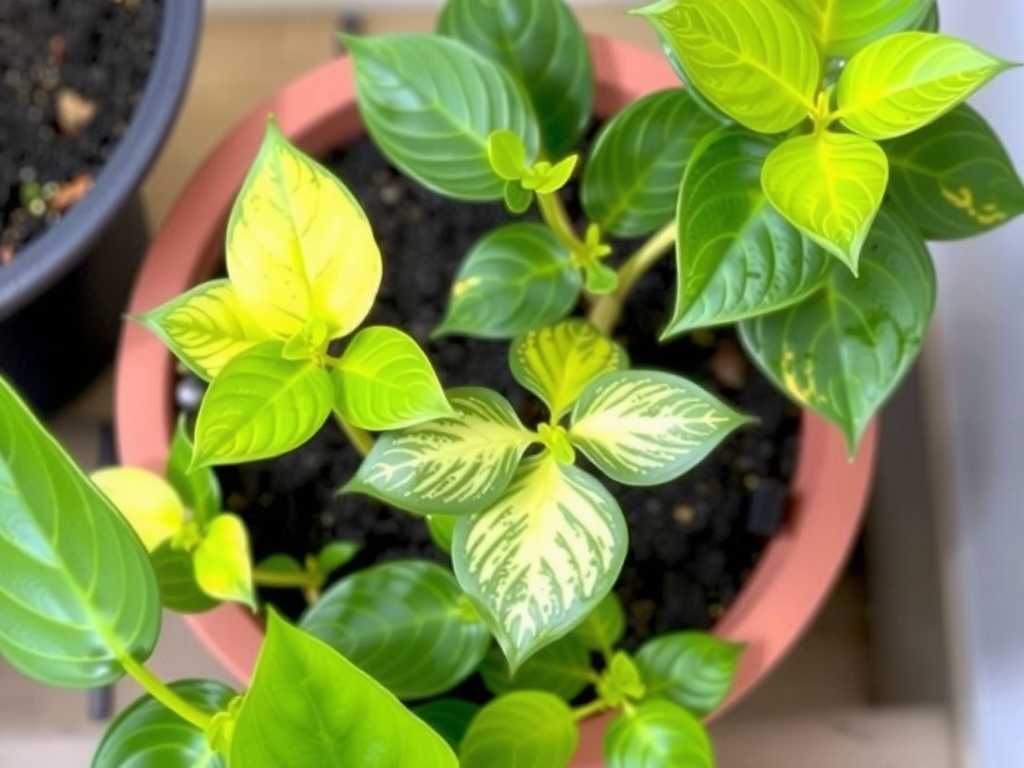
Combining pothos varieties isn't just about saving space; it's about active, creative gardening. It’s crafting a living piece of art where golden pothos vines might frame a cascade of silvery-splashed satin pothos. The key to success lies in understanding that while all pothos (Epipremnum aureum) share core DNA, their variegation impacts their physiology. As noted in resources from the Royal Horticultural Society (RHS), highly variegated plants, like the Snow Queen or Marble Queen pothos, have less chlorophyll in their white areas. This means they photosynthesize slightly less efficiently and may prefer a bit more indirect light than their solid green cousins, like the Jade pothos, to maintain their patterns.
However, their fundamental needs align closely enough to make them compatible pot-mates. The American Horticultural Society’s (AHS) heat zone map reminds us that pothos are tropical understory plants at heart. This shared origin is our foundation: they all thrive in similar temperature ranges, prefer well-draining soil, and have comparable watering needs. The goal is to manage the minor differences, not fight major ones.
My Step-by-Step Process for Planting a Mixed Pothos Container
I chose three varieties for my experiment: a Neon Pothos for a pop of color, a Marble Queen Pothos for intricate variegation, and a Jade Pothos for robust, deep-green fullness. My target long-tail keywords for this project were “care for mixed pothos plants” and “best pothos varieties to combine.”
Step 1: Selection and Preparation I started with healthy, young plants of similar size from the same nursery to minimize shock. The golden rule here is “healthy in, healthy out.” I gently removed each plant from its nursery pot, carefully teasing apart the root balls. I was not aiming for bare roots, just loosening them to encourage outward growth into their new shared space. I prepared a pot that was only 2-3 inches wider in diameter than the combined root mass of all three plants. A common mistake is using too large a pot, which holds excess moisture and risks root rot. The pot had ample drainage holes—non-negotiable for pothos.
Step 2: The Strategic Arrangement This is where design meets function. I placed the taller, potentially more upright stems of the Jade pothos slightly toward the center back of the pot. The vibrant Neon and the variegated Marble Queen were positioned towards the front and sides, where their trailing vines could spill over elegantly. I angled each plant slightly outward to give them room and light. Before adding soil, I arranged them in the empty pot to visualize the final look.
Step 3: Potting and the First Water I used a high-quality, peat-based potting mix amended with extra perlite and orchid bark for superb aeration and drainage. Pothos despise “wet feet.” I placed a layer of mix in the bottom, set my arranged plants in, and filled in around the roots, gently firming the soil to eliminate large air pockets. I left about an inch of space at the top for watering. Then, I gave the pot a thorough, deep watering until it freely drained from the bottom. This settled the soil around the roots. The pot was placed in a bright room with plenty of indirect light, away from the direct afternoon sun that could scorch the Neon and Marble Queen leaves.
The Two-Week Observation: Growth, Adjustments, and Solutions
The first week was a critical monitoring period. Here’s what I observed and how I adjusted my care for this combined pothos planter.
Days 1-3: The Acclimation Phase A few leaves on the Marble Queen showed very slight drooping—a sign of transplant shock. I resisted the urge to water again. Instead, I ensured the humidity around the plant was slightly elevated by placing the pot on a pebble tray with water. The soil was still moist an inch down. Overwatering is the fastest way to kill a mixed pot, as different plants may show stress differently, leading to misdiagnosis.
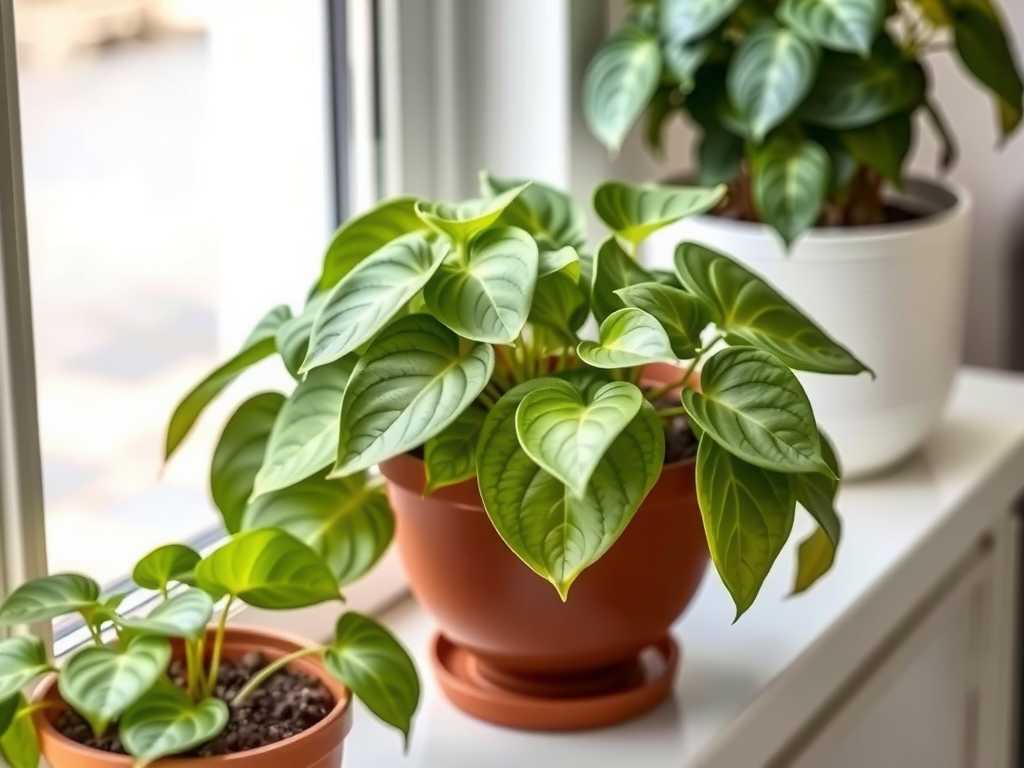
Days 4-7: New Growth and Light Assessment By day four, the drooping had stopped. Crucially, I spotted a tiny, bright green unfurling from the Neon pothos and a new leaf spear on the Jade. This was a fantastic sign that the plants were settling in, not just surviving. I noticed the Marble Queen’s white sections seemed to be facing slightly away from the light source. I rotated the pot a quarter turn every other day to ensure all vines received even light, preventing the greener sides from dominating.
Days 8-14: Establishing a Rhythm Growth became more evident. The Neon’s new leaf had fully hardened into its luminous color. The different pothos types began to intertwine naturally at the vine tips, creating the beautiful layered effect I’d hoped for. I performed the first “check-water” since planting by sticking my finger deep into the soil. It was dry about halfway down the pot. This told me the root system was actively drawing moisture. I watered thoroughly again, confirming my care for mixed pothos plants was on track. The Jade pothos, with its solid green leaves, appeared the most vigorous, but the others kept pace well.
Pitfalls I Encountered and How I Fixed Them
My experiment wasn’t flawless. I hit two snags that taught me valuable lessons.
Pitfall 1: The Overzealous Fertilizer Excited by the new growth in week two, I considered a diluted liquid feed. However, I recalled that newly repotted plants in fresh soil don’t need immediate fertilizer. The soil already contained a mild starter nutrient charge. Applying more could have burned the tender new roots and caused uneven, leggy growth. I held off entirely for the first month. The solution was patience—allowing the plants to focus on root establishment over top growth.
Pitfall 2: Misreading a Yellow Leaf Around day 10, a single, older leaf at the base of the Jade pothos turned yellow. My immediate fear was root rot from overwatering. But upon inspection, the stem was firm, and the rest of the plant was perky. I realized this was simply natural senescence—the plant shedding an old leaf to direct energy to new growth. I snipped it off cleanly at the stem. The fix was careful diagnosis before action. Not every yellow leaf is a crisis; it’s part of the natural cycle, especially after the mild stress of repotting.
Design Principles for a Visually Stunning Combination
Choosing the best pothos varieties to combine is an art. Think about contrast and complement. Pair a slow-grower with a vigorous one for balance. For a monochromatic but textural look, combine Jade, Global Green, and Shangri-La (the “shingling” pothos). For a high-contrast “showstopper,” mix the dark, almost black leaves of a Baltic Blue pothos with a bright Neon and a highly variegated Manjula. Consider growth habits: Cebu Blue has a more vertical, shingling tendency, while a Golden Pothos is a classic trailer. Placing the Cebu Blue on a small central support can add height and dimension to your pothos combination planter.
How often should I water a pot with multiple pothos types? Water based on soil moisture, not a schedule. Check by inserting your finger 2-3 inches into the soil. Water only when it feels dry at that depth. The pot’s combined root system will dry out at a fairly uniform rate. It’s better to underwater slightly than to overwater.
Will one variety eventually choke out the others? In the short to medium term, no, if they are planted with enough space. Pothos are not aggressively competitive. Long-term (over a year or two), the most vigorous variety may become dominant. This is easily managed by occasional pruning of the faster grower or by separating and repotting the plants if the balance is lost.
Can I propagate cuttings directly into the mixed pot to fill it out? Absolutely! This is a fantastic way to add density. Ensure the cuttings have developed roots in water first. Then, plant them into sparse areas of the pot. This ensures they can access water immediately and reduces the chance of failure, seamlessly integrating new growth into your existing pothos variety mix.
Creating a mixed pothos pot is a rewarding project that deepens your connection to these adaptable plants. By selecting compatible varieties, potting them strategically in well-draining soil, and providing bright, indirect light, you set the stage for success. Observe closely, especially in the first few weeks, and learn to read your plants’ signals—they will tell you what they need. The result is more than just a space-saver; it’s a unique, living testament to your gardening creativity, where each variety plays its part in a lush, collaborative display. Start with confidence, and enjoy the process of watching your personal pothos tapestry grow.
发表评论